
Hyundai i10 Common Problems (Kappa 1.0 & 1.2)
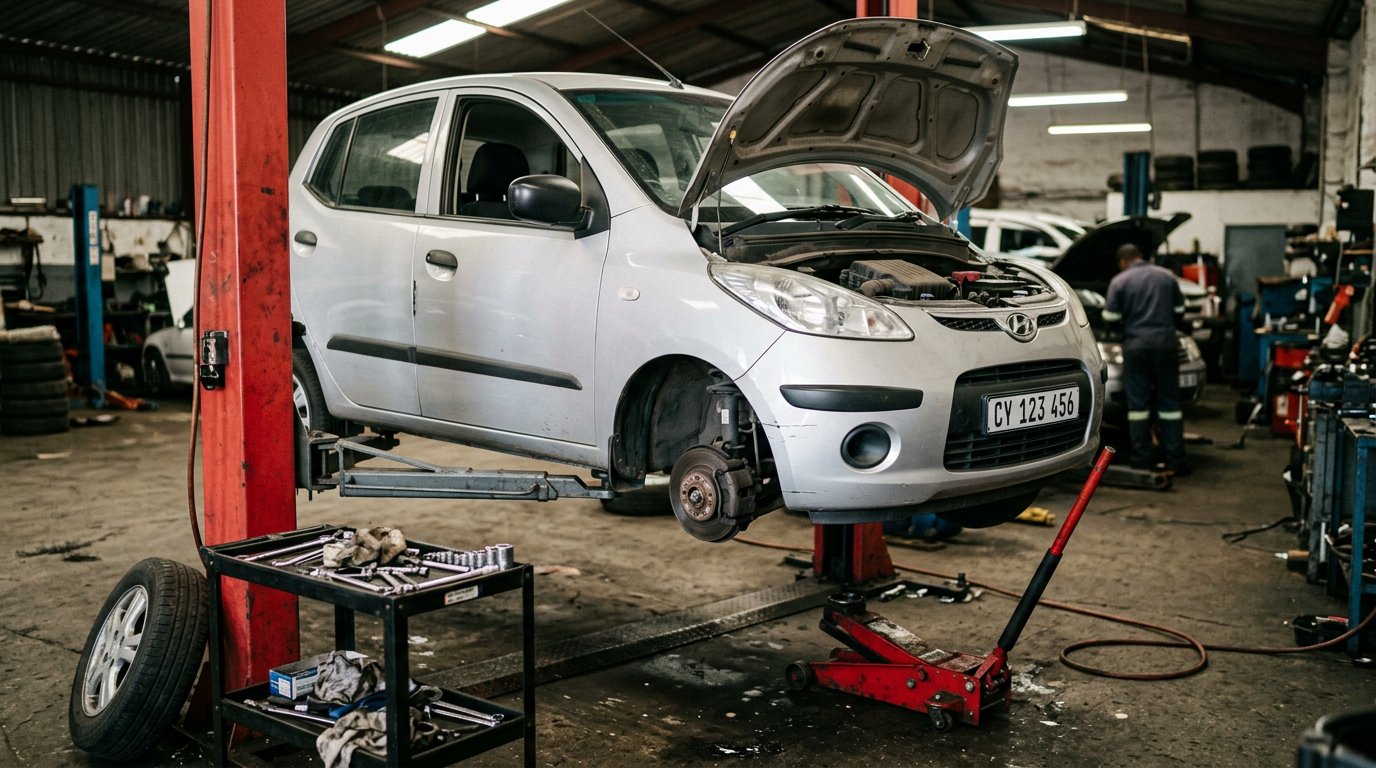
The short answer: the Hyundai i10 is one of the most reliable budget hatchbacks you can buy used in South Africa. But it does have a clear cluster of wear faults worth knowing before you buy or repair one. The issues owners report most often are an early-wearing clutch, a timing-chain rattle on the 1.2 Kappa engine, and seizing rear brake calipers, plus a handful of cheap electrical gremlins. The good news: almost every i10 repair is inexpensive by modern standards. A clutch kit fits for R2 500-R6 500, and most electrical fixes come in under R3 000.
Key Takeaways
- The i10 is petrol-only in SA: Kappa 1.0 (G3LA, 3-cylinder) and 1.2 (G4LA, 4-cylinder), plus the older 1.1 (G4HG) on early PA cars
- Most common faults: clutch wear, 1.2 timing-chain rattle (DTC P0011), rear caliper seizure, ABS/airbag warning lights, and battery drain
- None of these are safety recalls; they are normal wear-and-tear on a high-mileage budget car
- Parts are cheap and plentiful: clutch kit fitted R2 500-R6 500, alternator R2 500-R5 000 (indicative ranges)
- Buy on condition, not year: a serviced 150 000 km i10 is a safer bet than a neglected 80 000 km one
- We supply used and new i10 mechanical and body parts, delivered nationwide
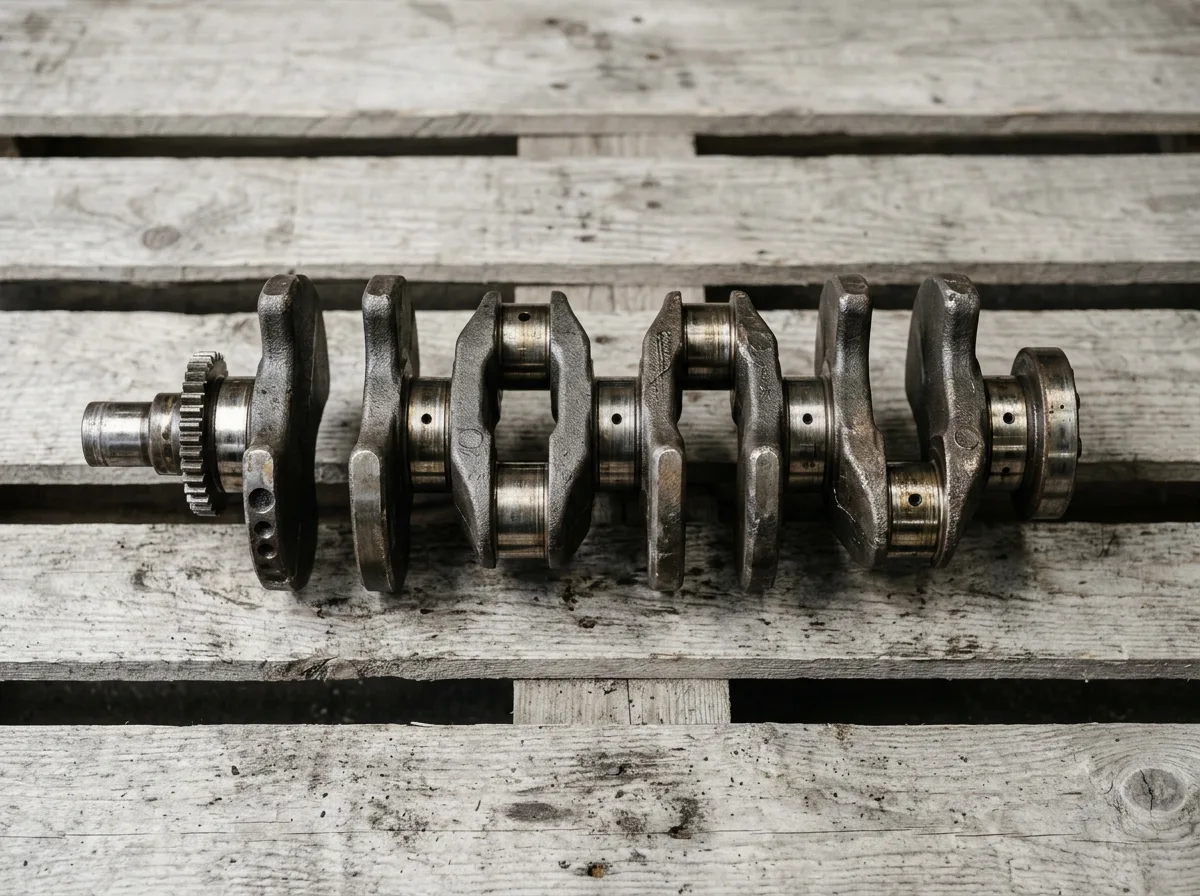
Used Kappa Engines
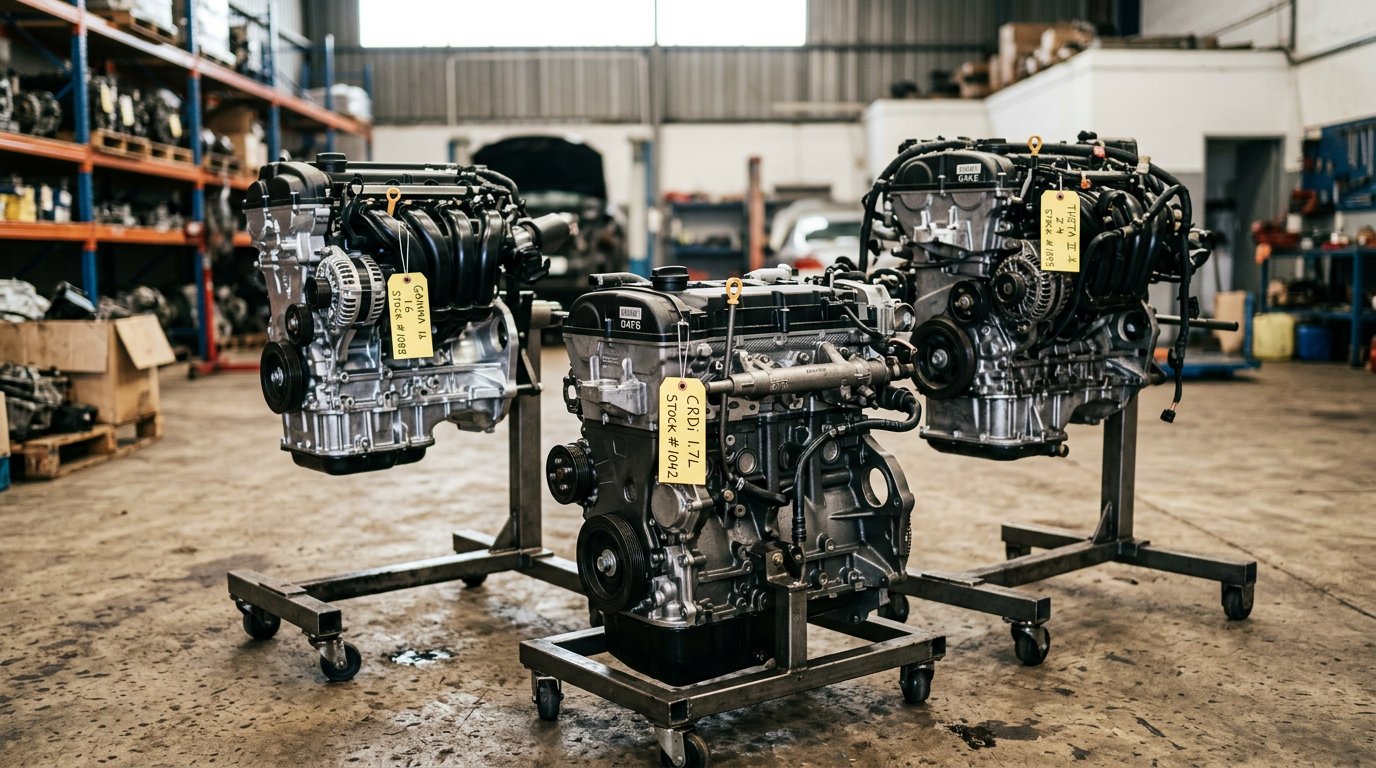
If your i10 is burning oil or rattling on cold start, a used Kappa 1.0 or 1.2 long block is often the most economical fix. Ask for the donor mileage when you request a quote.
Is the Hyundai i10 Reliable?
Yes — broadly, thanks to simple, efficient Kappa engines, cheap parts, and easy maintenance.
The faults below are wear items, not design disasters. What separates a good used i10 from a money pit is service history, not mileage. An i10 that has had its oil changed every 10 000-15 000 km on the correct grade, with the clutch and brakes maintained, will outlast a low-mileage example that was driven hard in stop-go Joburg traffic and never serviced. Buy on condition.
What Engines Does the i10 Use?
Every i10 sold in South Africa is petrol. There is no diesel i10 here, so none of the CRDi injector or DPF issues that affect the H1, Tucson or Santa Fe apply. The three engines you will encounter are:
- Kappa 1.0 (G3LA), a 3-cylinder used in the lighter, more economical variants
- Kappa 1.2 (G4LA), the volume 4-cylinder fitted to most Grand i10 hatches and sedans
- 1.1 (G4HG), the older iRDE four on first-generation PA cars (2008-2013)
The Kappa family is chain-driven (no cambelt to replace) and generally hard-wearing. If you want to understand how Hyundai's engine families and codes fit together, our guide to Hyundai's Alpha, Beta and Gamma engine families explains the naming and where Kappa sits in the line-up. For now, the practical point is: the 1.2 Kappa is the one with the timing-chain quirk below.
The 7 Most Common Hyundai i10 Problems
1. Early clutch failure and judder
The clutch is one of the most common i10 complaints, especially on earlier PA cars. Owners report slipping under load, a burning smell, and a shudder or judder as the clutch takes up — often worse after the car has stood for a while. Many cars are still on their original clutch when it lets go.
The cause is a combination of weak early-production friction material and a stretched or over-tight clutch cable burning the disc. In severe, neglected cases the release-bearing carrier can break off the gearbox casing, at which point you are looking at a gearbox replacement, not just a clutch. Listen for a chirrup or whirr from the bellhousing before it fails and replace proactively. A clutch kit (cover, plate, release bearing) fits for R2 500-R6 500 depending on whether the cable or flywheel also needs attention.
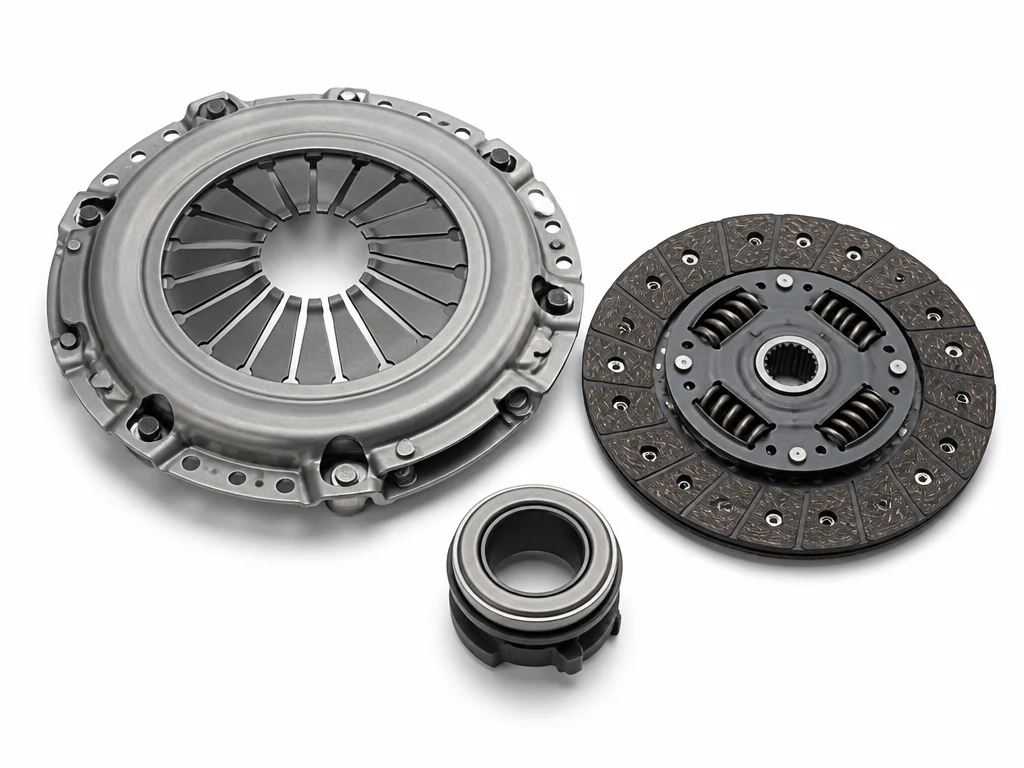
i10 Clutch Kits & Gearbox Parts
Ask us for a quote on a clutch kit or a used i10 gearbox for the 5-speed manual — useful if the release-bearing carrier has snapped.
2. Kappa 1.2 timing-chain rattle and oil consumption (P0011)
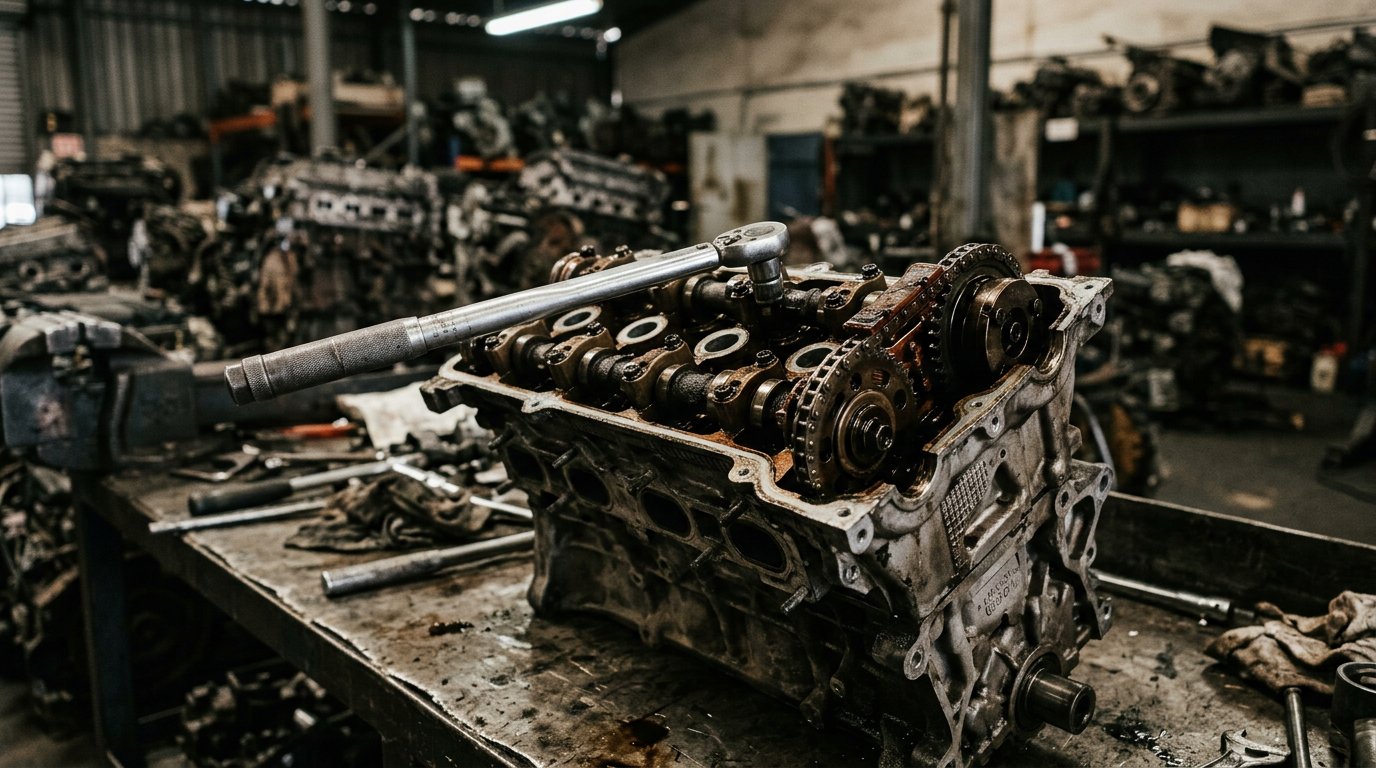
The 1.2 Kappa is chain-driven, which is normally a good thing — no cambelt service. But the chain tensioner and the cam phasers (the variable-valve-timing units) wear over time. The classic symptom is a brief rattle or shriek of about half a second when you pull away from cold, sometimes with a ticking at idle that rises with revs. On higher-mileage cars it can be accompanied by raised oil consumption and an engine-management light.
The diagnostic code to look for is P0011, camshaft position timing over-advanced (Bank 1). The fix is a timing chain kit and phaser replacement at roughly R4 500-R9 000 fitted (an indicative range, not a quote). On a high-mileage engine that is also burning oil, a used or reconditioned Kappa long block is often the smarter spend. A related failure is the camshaft position sensor itself: when it fails the engine can refuse to run, but the sensor is a cheap part.
3. Rear brake caliper seizure and sticking parking-brake pads
On a light car with rear discs, the rear brakes do relatively little work, which is exactly why they seize. The caliper slide pins and pistons corrode from infrequent use, and the parking-brake pads can stick to the discs after you release the lever, only freeing once you drive off. The result is fast pad wear, a binding wheel, and above-average disc wear.
On very early PA cars there was also an assembly quirk where the brake-light switch was screwed too tight into the master cylinder, falsely triggering the ABS and wearing the brakes prematurely, and this was corrected in production from around 2010. The fix for a seized caliper is to service or replace it (R1 500-R4 500 each fitted), free off or replace the parking-brake pads and cables, and renew discs and pads as needed. Routine caliper servicing prevents repeat seizure.
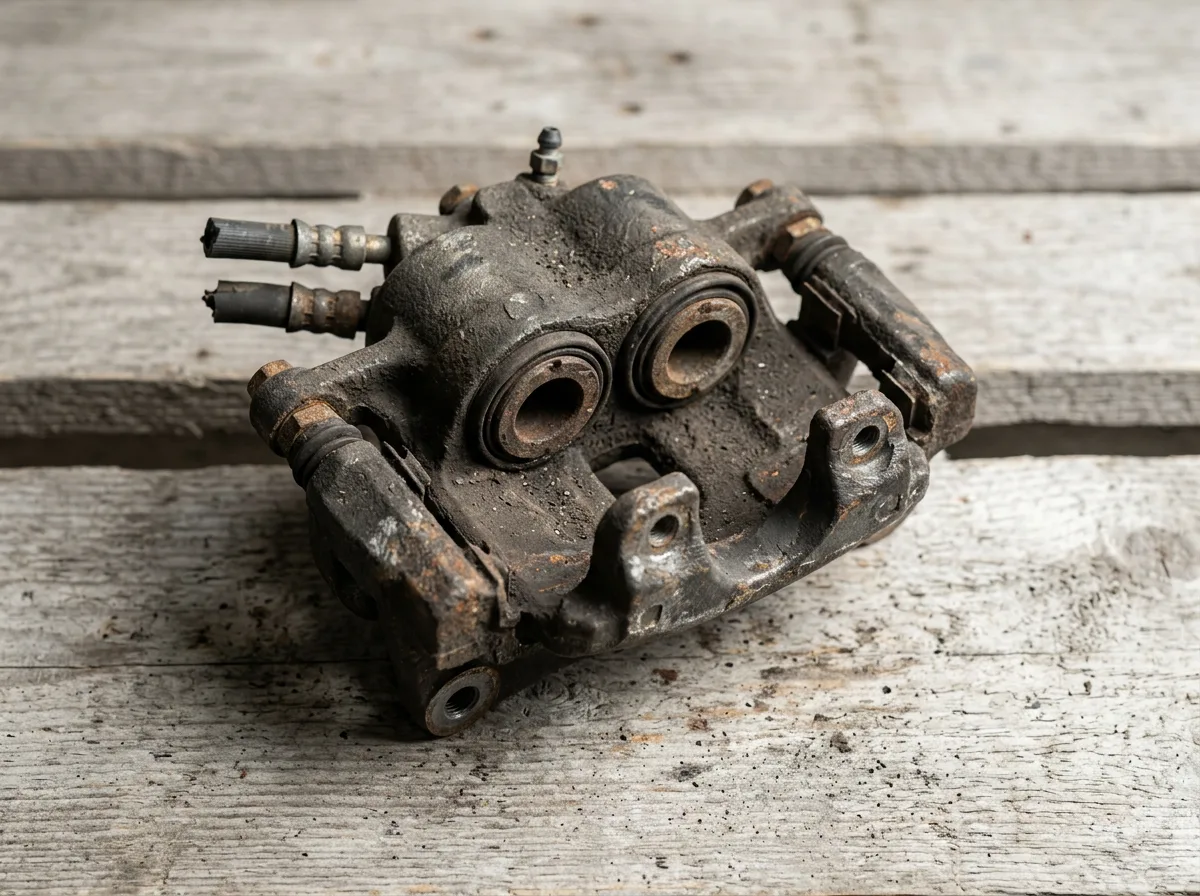
i10 Brake Calipers, Discs & Pads
Seized rear caliper? We supply used and new-aftermarket i10 calipers, discs, pads and parking-brake parts. Tell us your year and we will match the right setup.
4. Intermittent ABS / ESP warning lights
On second-generation and later i10s, an ABS and ESP/ESC warning light coming on together, often intermittently, usually points to a failed or contaminated wheel-speed sensor or its reluctor ring. The frustrating part is that a basic OBD reader often will not name which corner is at fault, so a capable ABS-specific scanner is needed to isolate the wheel before you start replacing sensors.
Occasionally the fault is the ABS module itself rather than a sensor. Either way it is a relatively cheap fix — a wheel-speed sensor runs R900-R2 500 fitted. Don't ignore it, though: with the ABS light on, your anti-lock braking and stability control are disabled, which matters on wet Highveld roads. Get it scanned properly rather than guessing.
5. Airbag / SRS warning light from the clock-spring or connectors
A stubborn airbag/SRS warning light is a well-documented i10 electrical gremlin. It often comes on intermittently, clears when components are disturbed, then returns. The two usual culprits are dirty or corroded pins in the yellow connector under the steering column, or a loose yellow connector under the passenger seat (sometimes knocked by items stored under the seat). A worn steering-wheel clock-spring (the coiled ribbon cable that connects the driver's airbag and wheel controls) is the other common cause.
The connector fix can cost you nothing but a careful unplug-clean-replug with contact cleaner; many owners have chased this light around a dealer for hundreds of rand before an auto electrician traced it to a dirty plug. If the clock-spring is worn it needs replacing and re-centring — budget R900-R2 800 fitted. Because it is a safety system, get it diagnosed properly.
6. Vague electric power steering (EPS)
Some i10 owners report steering that feels unnaturally light or heavy, occasionally intermittently, or a vague, wandering feel at highway speed. The i10 uses an electric power-steering (EPS) system with a column-mounted motor, and a faulty EPS motor or torque sensor can cause inconsistent assist.
Before condemning the EPS unit, rule out the cheap stuff: poor wheel alignment, worn suspension bushes and tired tyres all mimic vague steering and are far more common on a budget car that has hit a few Joburg potholes. If those are clean and the assist is genuinely inconsistent, the EPS column motor is the likely fault, at R2 000-R9 000 depending on whether a good used unit is available.
7. Battery drain from a sticking brake-light switch
If your i10 keeps going flat, especially after standing overnight, suspect the brake-light switch before you condemn the battery. The cheap pedal switch can stick on, leaving the brake lights energised and quietly draining the battery. It is a recurring i10 weak point and a quick test: have someone watch the brake lights while you release the pedal — if they stay lit, that is your drain.
The switch itself is inexpensive (R300-R900 fitted). Occasionally the parasitic draw traces to the fusebox instead, which is a bigger job. While you are at it, have the alternator output and battery health checked — a worn alternator (R2 500-R5 000 fitted) or a tired battery can present the same flat-in-the-morning symptom.
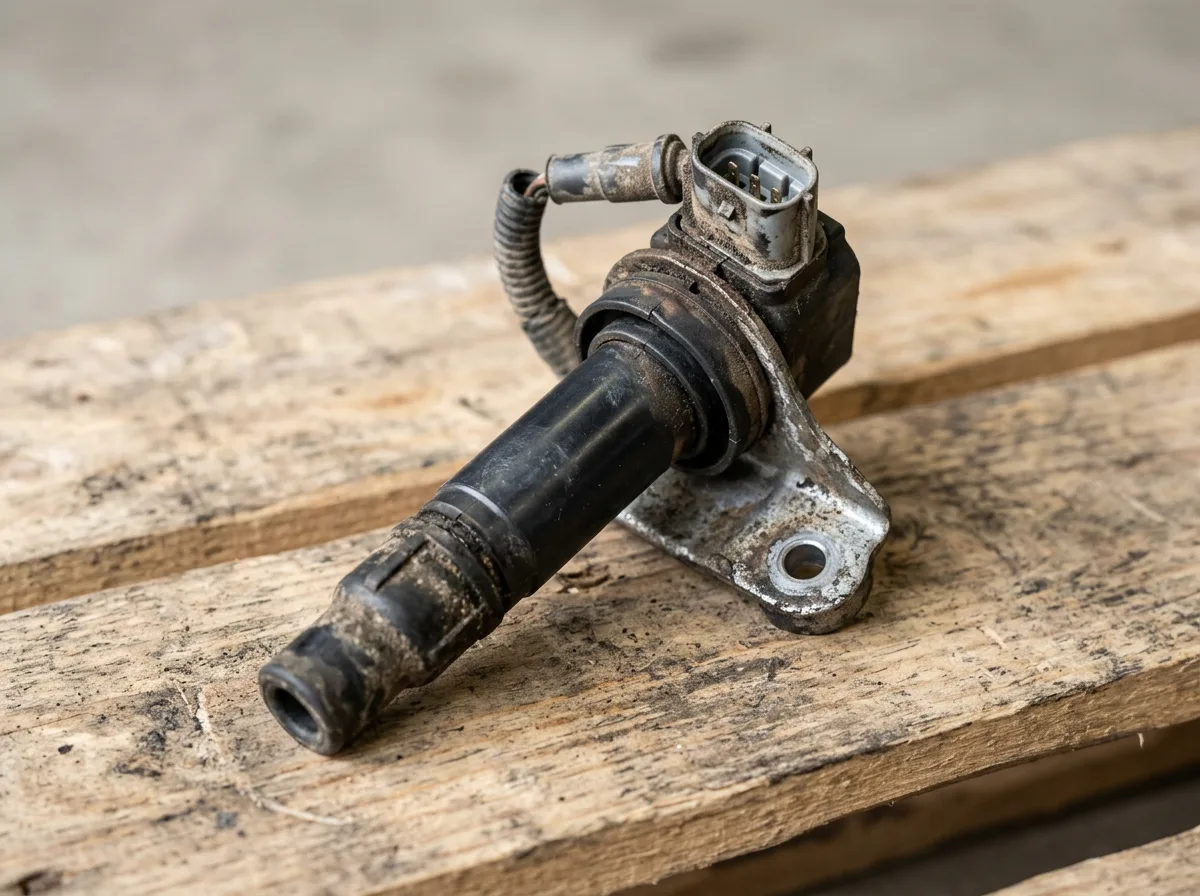
i10 Alternators & Electrical Parts
Flat battery, charging fault or a dead alternator? Ask us for a quote on i10 alternators, brake-light switches, clock-springs and ABS sensors.
What i10 Parts and Repairs Cost in SA
Indicative ranges only, not quotes; prices vary by condition, mileage, supplier and labour rate. Dealer pricing runs higher; hard-to-source parts can push above these ranges.
| Part / Repair | Used or Aftermarket Part | Fitted (Parts + Labour) |
|---|---|---|
| Clutch kit (cover, plate, bearing) | R900 - R2 500 | R2 500 - R6 500 |
| Used Kappa engine (1.0 / 1.2) | Ask for a quote | Ask for a quote |
| Timing chain kit + tensioner | R1 800 - R4 500 | R4 500 - R9 000 |
| Rear brake caliper (each) | R900 - R2 200 | R1 500 - R4 500 |
| ABS wheel-speed sensor | R350 - R1 200 | R900 - R2 500 |
| Clock-spring | R650 - R1 800 | R900 - R2 800 |
| Alternator | R1 800 - R3 500 | R2 500 - R5 000 |
| Brake-light switch | R120 - R350 | R300 - R900 |
Buying a Used i10: Our Inspection Checklist
If you are shopping for a used i10, spend ten minutes on these before you pay:
- Cold-start the engine yourself: listen for the 1.2's timing-chain rattle in the first second, and watch for blue smoke that hints at oil consumption
- Test the clutch: pull away on a slight incline; a juddering or slipping take-up means a clutch is due
- Check the dash on start-up: the ABS, ESP and airbag lights should illuminate then go out; one that stays on is a fault you will inherit
- Feel the rear wheels after a short drive: a hot rear hub points to a seizing caliper
- Confirm service history and oil grade: the Kappa lives on regular oil changes; gaps in history are the real red flag, not the odometer
A clean i10 is one of the cheapest cars to own and run in South Africa. A neglected one will nickel-and-dime you on exactly the faults above, all of which are fixable, but they add up if everything has been left.
Where to Get Used i10 Parts
Whether you need a used Kappa engine, a clutch kit, a rear caliper or just a brake-light switch, we supply i10 mechanical, electrical and body parts from Lenasia South, with delivery nationwide. Browse our Hyundai i10 spares page, or if the engine is beyond economical repair see our Hyundai engines for sale page.
Running a different small Hyundai? We also supply parts for the Hyundai i20 and Hyundai Getz. Send us your car's year, VIN and the part you need, and we will quote you.
Sources
- Honest John — Hyundai i10 Car-by-Car owner reports (clutch, timing chain, brakes, electrical), good and bad points (https://www.honestjohn.co.uk/carbycar/hyundai/i10-2008/good/)